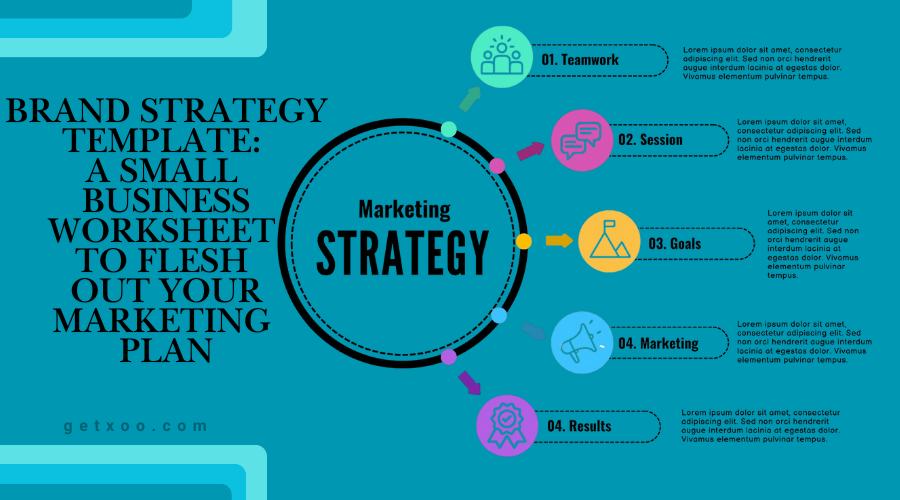
Building a strong brand is no longer optional—it’s a must for small businesses that want to grow, compete, and stand out. A Brand Strategy Template: A Small Business Worksheet to Flesh Out Your Marketing Plan helps entrepreneurs turn ideas into a clear action plan. This guide will walk you through everything you need to create a powerful brand identity that attracts customers and builds trust.
Contents
What Is a Brand Strategy Template?
A brand strategy template is a structured worksheet that helps small businesses define who they are, what they stand for, and how they present themselves to the world. It includes your brand mission, audience, tone, visuals, marketing channels, and more.
Using a worksheet gives you clarity, consistency, and direction—important for long-term business growth.
Why Small Businesses Need a Brand Strategy Worksheet
Helps you understand your target audience
A defined customer persona makes your marketing sharper and more effective.
Keeps your messaging consistent
Consistency builds trust and improves brand recall.
Saves time & money
Clear strategy reduces guesswork and costly marketing mistakes.
Strengthens your marketing plan
Your campaigns, content, and advertising become more aligned with business goals.
Brand Strategy Template 9 Ideas for Small Business (Worksheet)
Use this worksheet to flesh out your marketing plan step-by-step.
1. Brand Foundation
• Brand Purpose
Why does your business exist?
Example: “To make eco-friendly home essentials accessible and affordable.”
• Mission Statement
What are you trying to achieve?
• Vision Statement
Where do you see your brand in the future?
• Core Values
List 3–5 values that guide your brand culture.
2. Target Audience Worksheet
Identify your ideal customer:
- Age
- Location
- Interests
- Spending habits
- Pain points
- Buying motivation
This helps you tailor your marketing message effectively.
3. Unique Value Proposition (UVP)
What makes you different? Why should customers choose you?
Your UVP should be:
✔ short
✔ clear
✔ benefit-driven
Example: “We deliver fresh organic snacks within 24 hours—guaranteed.”
4. Brand Personality & Voice
Define how your brand speaks.
Choose a personality:
- Friendly
- Professional
- Bold
- Luxury
- Playful
Brand voice example:
“Simple, warm, and customer-first.”
This ensures your website, social media, and ads all sound consistent.
5. Visual Branding Elements
Your worksheet should include space to note:
- Logo style
- Color palette (primary & secondary)
- Typography
- Image style (minimal, bold, soft, premium)
Visual identity helps customers instantly recognize your brand.
6. Marketing Channels & Strategy
Identify where your audience is active:
- YouTube
- Google search
- Email marketing
- Local ads
Write down how you’ll reach customers on each platform.
7. Content Strategy Plan
List the types of content you will create:
- Blogs
- Reels
- Product posts
- Testimonials
- YouTube tutorials
- Infographics
Setting a clear content plan boosts engagement and SEO performance.
8. Competitor Analysis Section
Include the following for your top 3 competitors:
- Their strengths
- Their weaknesses
- Gaps you can fill
- Opportunities for your brand
This helps you position your business smarter.
9. Brand Experience Mapping
Detail how customers will experience your brand at every touchpoint:
- Website visit
- Checkout process
- Packaging
- After-sales support
- Feedback loop
A great customer experience creates repeat buyers.
Showcase your brand with automated tools
Branding strategies involve many moving parts, but coming up with one doesn’t have to be complicated. With the right tools, you can make unique visuals and turn them into brand assets to be used across a range of platforms, materials, and marketing channels.
For example, you might want to make a brand logo. Adobe Express allows you to save and easily add it to any social media graphics or marketing assets you make in the future without having to open any software.
Building a strong brand identity is even easier when you use design templates to use similar designs across different media. Adobe Express has plenty of attractive options to choose from, or you can make your own. Try Adobe Express today and see how easy it is to automate the design aspect of your branding strategy.
Conclusion
A strong brand doesn’t happen overnight—it comes from clarity and consistency. Using a Brand Strategy Template: A Small Business Worksheet to Flesh Out Your Marketing Plan gives you a structured foundation to build a memorable, trustworthy, and profitable brand. Whether you’re a startup or scaling small business, this worksheet will guide your marketing decisions and help you stand out in a competitive market.
FAQ
Q 1. What are the 4 C’s brand strategy?
TL;DR Modern brand strategy starts with finding foundational information and pivotal insights. There are typically four areas for exploration called the 4Cs — Company, Category, Competitors and Customers. Helping brands understand changing behaviors, evolving technology and the demands of sustainability.
Q 2. What is the 3 7 27 rule of branding?
The 3-7-27 rule explains how many times a prospect needs to see your brand to engage with it: about 3 exposures for recognition, 7 to remember it, and 27 to build trust and take action.
Q 3. What are the 5 pillars of brand strategy?
Brand pillars are the foundational tenets on which a brand is built. The five brand pillars include purpose, positioning, personality, perception, and promotion.
Q 4. What are the 7 key elements of brand strategy?
These seven essential components are:
1 Purpose. Your brand purpose surpasses the significance of a name and logo.
2 Target Audience. In a brand strategy’s positioning section, defining the target audience is vital.
3 Brand Value.
4 Brand Positioning.
5 Brand Personality.
6 Brand Voice.
7 Market Analysis.
Q 5. What is the 50 30 20 rule for branding?
The 50 30 20 rule for social media is that 50% of your posts should be value-driven, 30% branded, and 20% promotional.
Q 6. What is ABCD of personal branding?
A is for appearance and authenticity, choosing to put your true self front and center in the best possible light. B is for behavior and how you comport yourself. C is for communication and credibility. D is for your digital presence, such as social media or blogs.
Q 7. What are the 7 tactics of marketing?
The 7 tactics of marketing, commonly known as the 7 Ps of Marketing, are Product, Price, Place, Promotion, People, Process, and Physical Evidence. These elements form a strategic framework that helps businesses plan and execute their marketing campaigns to meet customer expectations and achieve their objectives.
Read also:
1. Online Jobs for 15 Year Olds for Earn Money
2. Online Business ideas for Home
3. How to Make Money Online in 2025